-
Vidro fundido em tanques de aço (596)
-
tanques de aço inoxidável (434)
-
A fusão ligou os tanques da cola Epoxy (592)
-
Tanques de aço galvanizado (321)
-
Telhados de alumínio da abóbada (1336)
-
Tanques de armazenamento de águas residuais (232)
-
Tanques de aço soldados (457)
-
Embarcações de pressão (295)
-
Digestor anaeróbico (202)
-
Tanques de água industriais (349)
-
Tanques de aço revestidos de vidro (180)
-
Tanques de aço aparafusados (389)
-
Tanque de armazenamento da lama (115)
-
Tanque de armazenamento do biogás (173)
-
Tanques de armazenamento de lixiviação (133)
-
Tanques de armazenamento de água agrícola (179)
-
Tanque de água de incêndio (166)
-
Silos de armazenamento de grãos (146)
-
Projetos de biogás (424)
-
Projetos do tratamento de águas residuais (1068)
-
Telhado de membrana dupla (223)

|
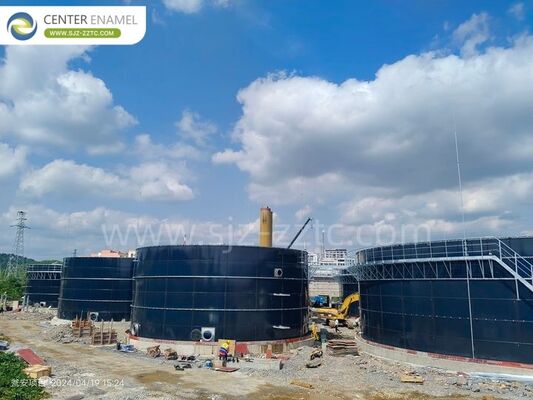
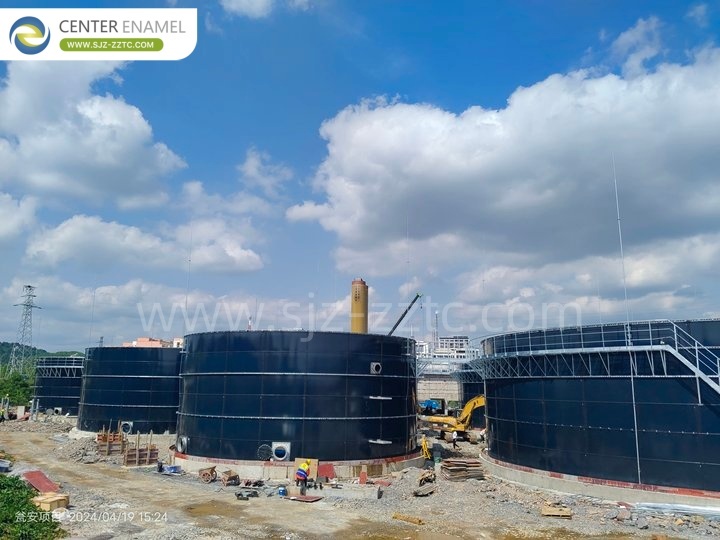
Empreiteiro EPC para Tratamento de Efluentes de Granja de Suínos Utilizando Tanques GFS e Processo CSTR no Nepal
| Lugar de origem: | China |
| Marca: | CEC TANKS |
| Certificação: | ISO 9001:2008, AWWA D103 , OSHA , BSCI |
| Número do modelo: | C |
| Quantidade de ordem mínima: | 1 conjunto |
| Preço: | $5000~$20000 one set |
| Detalhes da embalagem: | Poliespuma PE entre cada duas placas de aço; palete de madeira e madeira |
| Tempo de entrega: | 10-30 dias após o depósito recebido |
| Termos de pagamento: | L/C,T/T |
| Habilidade da fonte: | 60 conjuntos por mês |
|
Informações detalhadas |
|||
| Lugar de origem | China | Marca | CEC TANKS |
|---|---|---|---|
| Certificação | ISO 9001:2008, AWWA D103 , OSHA , BSCI | Número do modelo | C |
| Cor do corpo do tanque: | Verde escuro/pode ser personalizado | Integridade à Corrosão: | Excelente |
| Espessura das placas de aço: | 3mm a 12mm, depende da estrutura do tanque | Resistência Química: | Excelente |
| Tamanho do painel: | 2,4 milhões * 1,2 milhões | Fácil de limpar: | Suave, brilhante, inerte, anti-adesão |
| Destacar: | Contratante de EPC para as águas residuais das explorações de suínos,Tanques GFS para tratamento de águas residuais,CSTR tratamento de águas residuais de processo Nepal |
||
Descrição do produto
Este artigo explora tecnologias avançadas de resíduos para energia adaptadas para a pecuária, detalhando como sistemas biológicos modernos convertem efluentes orgânicos de alta concentração em energia renovável limpa.
O setor de criação de gado do Nepal está experimentando um crescimento constante, gerando quantidades substanciais de efluentes orgânicos concentrados todos os dias. Os efluentes de suinocultura consistem principalmente em esterco animal, urina, água de limpeza e ração residual, carregando níveis excepcionalmente altos de demanda bioquímica de oxigênio (DBO), demanda química de oxigênio (DQO) e sólidos suspensos. O gerenciamento desse fluxo de resíduos pesados apresenta sérios desafios ambientais e operacionais para os agricultores locais. Efluentes de gado não tratados, descarregados em corpos d'água locais, causam poluição severa da água, depleção de oxigênio aquático e odores ofensivos. Lagoas abertas tradicionais requerem vastas áreas de terra, carecem de controle de odores e não atendem aos padrões nacionais de descarga ambiental, tornando sistemas de tratamento fechados de alta eficiência uma necessidade absoluta.
A conversão de efluentes de gado em biogás renovável é alcançada através de digestão anaeróbica controlada em várias etapas. À medida que a matéria orgânica entra em um reator selado e sem oxigênio, macromoléculas complexas são decompostas por microrganismos especializados através de hidrólise, acidogênese, acetogênese e metanogênese. Inicialmente, enzimas extracelulares hidrolisam polímeros insolúveis em monômeros solúveis. Bactérias formadoras de ácido convertem esses monômeros em ácidos graxos voláteis. Bactérias acetogênicas processam esses ácidos em ácido acético, hidrogênio e dióxido de carbono, que são finalmente convertidos em metano e dióxido de carbono por arquéias metanogênicas anaeróbicas estritas. Este processo biológico estabiliza o fluxo de resíduos, reduz as concentrações de poluentes e captura valioso gás metano para recuperação de energia.
O projeto de uma instalação de tratamento anaeróbico eficiente para resíduos de gado requer profundo conhecimento técnico, padrões de engenharia robustos e rigorosa adesão aos códigos de fabricação internacionais. A Center Enamel aproveita décadas de experiência global em engenharia para fornecer soluções de projetos de biogás personalizadas e de alto desempenho, otimizadas para condições locais de planalto e vale e capacidades específicas de fazendas. Desde a avaliação inicial do local e cálculos hidráulicos até a engenharia estrutural e o layout do processo, nossa equipe de engenharia garante que cada projeto atinja o rendimento máximo de biogás e longevidade estrutural. Integramos tecnologias avançadas de contenção resistente à corrosão com sistemas automatizados de controle de processo, entregando soluções turnkey que cumprem os principais padrões internacionais, como AWWA D103, ISO 9001, NSF/ANSI 61 e ISO 28765.
No coração do sistema de tratamento anaeróbico está o Reator Contínuo de Tanque Agitado (CSTR), que serve como unidade de processamento central para estabilização de resíduos orgânicos e geração de biogás. A tecnologia CSTR garante que as matérias-primas de fermentação e os microrganismos anaeróbicos especializados sejam completamente misturados dentro de um vaso reator selado. Equipado com um robusto dispositivo de agitação mecânica, agitadores de pás, eixo agitador e dispositivos de quebra de casca, o reator mantém uma temperatura uniforme e um regime de alimentação contínuo ou semi-contínuo. Isso evita a formação de espuma e a estratificação térmica, permitindo que efluentes orgânicos de alta concentração com sólidos suspensos passem por digestão anaeróbica completa, suportada por mecanismos de segurança integrados, como protetores de pressão positiva e negativa.
Para suportar a natureza altamente corrosiva do lodo de gado e da produção de biogás, as estruturas primárias de digestão e armazenamento requerem tecnologias metalúrgicas e de revestimento superiores. A Center Enamel utiliza tanques premium de Vidro-Fundido a Aço (GFS), fabricados pela fusão de chapas de aço de alta qualidade com fritas de vidro inorgânico especialmente formuladas em altas temperaturas entre 820°C e 930°C. Esta estrutura de revestimento duplo combina a resistência mecânica e a flexibilidade do aço com a excepcional resistência química do vidro, eliminando a necessidade de repintura periódica. Para cobrir essas estruturas de contenção, os Telhados Integrados de Membrana Dupla fornecem uma solução ideal para coleta de biogás e controle de odores, apresentando uma membrana interna de armazenamento de gás e uma membrana externa de proteção contra intempéries para maximizar a eficiência espacial e garantir estanqueidade absoluta ao gás.
Diferentes estágios de uma planta de digestão anaeróbica exigem estruturas de contenção e configurações de cobertura especializadas, adaptadas a funções operacionais específicas. A Center Enamel fabrica uma ampla gama de tanques de armazenamento alternativos, incluindo Tanques de Aço Galvanizado tratados com revestimentos protetores de zinco duráveis, Tanques de Epóxi Fundido (FBE) desenvolvidos em parceria com a AkzoNobel para proteção de barreira excepcional e Tanques de Aço Inoxidável (AISI 304/316) construídos para ambientes ultra-puros ou quimicamente extremos. Para complementar esses vasos de contenção, nossas soluções abrangentes de telhados incluem Telhados de Cúpula Geodésica de Alumínio oferecendo ampla capacidade de vão livre, Telhados de Vidro-Fundido a Aço projetados para estruturas pressurizadas e contenção de odores, Telhados de Deck de Calha de Liga de Alumínio para proteção contra chuva, Telhados de Aço Inoxidável para condições industriais severas e Telhados de FRP disponíveis em configurações de cúpula ou planas.
Uma instalação de digestão anaeróbica totalmente funcional requer um conjunto sincronizado de equipamentos auxiliares para preparar a matéria-prima, purificar o gás e gerenciar o digestato de forma eficaz. Telas de Gradeamento Mecânicas removem primeiro detritos grandes e sólidos grosseiros do efluente bruto de entrada. Tanques de Homogeneização equilibram as variações de afluência antes de entrar no reator CSTR. Separadores Sólido-Líquido processam o digestato fermentado em fertilizante orgânico fibroso e digestato líquido, que podem ser aplicados com segurança em terras agrícolas ou direcionados para Tanques de Filme Negro. Armazenadores de Gás armazenam metano purificado antes da utilização. Tanques de Desidratação e Dessulfurização removem vapor de umidade e gás sulfeto de hidrogênio corrosivo, protegendo equipamentos a jusante. Ventiladores de Reforço mantêm a pressão de gás ideal, enquanto Medidores de Vazão monitoram a produção volumétrica. Finalmente, Sistemas de Tocha, Caldeiras e Geradores de Biogás ou sistemas de GNV convertem o combustível purificado em eletricidade ou combustível para veículos limpos.
A Center Enamel opera como um provedor de solução completa e abrangente, otimizando todo o ciclo de vida de instalações de biogás industriais e agrícolas. Nossa extensa base de fabricação cobre 150.000 metros quadrados com uma capacidade de produção anual superior a 250.000 chapas, apoiando clientes globais em mais de 100 países. Nosso escopo de negócios principal abrange serviços EPC completos, Pacotes de Processo proprietários e Fornecimento Direto de Equipamentos. Ao gerenciar todas as fases, desde o projeto de engenharia civil e fabricação de equipamentos até a instalação no local, comissionamento e treinamento de operadores, minimizamos o risco do projeto e aceleramos os cronogramas de entrega. Nossos rigorosos protocolos de controle de qualidade e certificações reconhecidas internacionalmente garantem que cada planta de resíduos para energia agrícola opere com eficiência máxima.
Transformar efluentes de gado em energia renovável limpa representa um passo vital para o desenvolvimento agrícola sustentável. Ao integrar robustos vasos de contenção GFS, tecnologia avançada de fermentação CSTR e equipamentos abrangentes de utilização de gás, as fazendas modernas podem eliminar com sucesso os perigos de poluição enquanto geram energia valiosa e fertilizante orgânico.
O que torna os tanques de Vidro-Fundido a Aço mais vantajosos do que os tanques de aço pintado soldados para tratamento de efluentes de suínos?
Os tanques de Vidro-Fundido a Aço apresentam um revestimento de vidro inorgânico fundido criado em altas temperaturas, oferecendo resistência superior à abrasão química e ácidos orgânicos agressivos. Ao contrário dos tanques de aço pintado soldados, que exigem repintura e manutenção regulares devido à degradação do revestimento, os tanques GFS proporcionam durabilidade a longo prazo com manutenção mínima.
Como a ação de mistura contínua dentro do reator CSTR evita falhas operacionais como acúmulo de espuma?
O conjunto de agitação mecânica dentro do CSTR utiliza pás especializadas, eixos agitadores e dispositivos de quebra de casca para manter uma mistura homogênea de lodo orgânico e microrganismos. Essa agitação constante evita a formação de crostas flutuantes, elimina zonas mortas térmicas e garante taxas consistentes de digestão biológica.
Qual o papel dos tanques de desidratação na cadeia geral de processamento e utilização de biogás?
Os tanques de desidratação são projetados para remover o vapor de umidade do fluxo de biogás bruto antes que ele atinja componentes sensíveis a jusante, como unidades de dessulfurização, ventiladores de reforço e geradores de energia, evitando a condensação de água e a subsequente corrosão do equipamento ou ineficiência operacional.