
-
Vidro fundido em tanques de aço (596)
-
tanques de aço inoxidável (434)
-
A fusão ligou os tanques da cola Epoxy (592)
-
Tanques de aço galvanizado (321)
-
Telhados de alumínio da abóbada (1336)
-
Tanques de armazenamento de águas residuais (232)
-
Tanques de aço soldados (457)
-
Embarcações de pressão (295)
-
Digestor anaeróbico (201)
-
Tanques de água industriais (349)
-
Tanques de aço revestidos de vidro (180)
-
Tanques de aço aparafusados (389)
-
Tanque de armazenamento da lama (115)
-
Tanque de armazenamento do biogás (173)
-
Tanques de armazenamento de lixiviação (133)
-
Tanques de armazenamento de água agrícola (179)
-
Tanque de água de incêndio (166)
-
Silos de armazenamento de grãos (146)
-
Projetos de biogás (425)
-
Projetos do tratamento de águas residuais (948)
-
Telhado de membrana dupla (223)

|
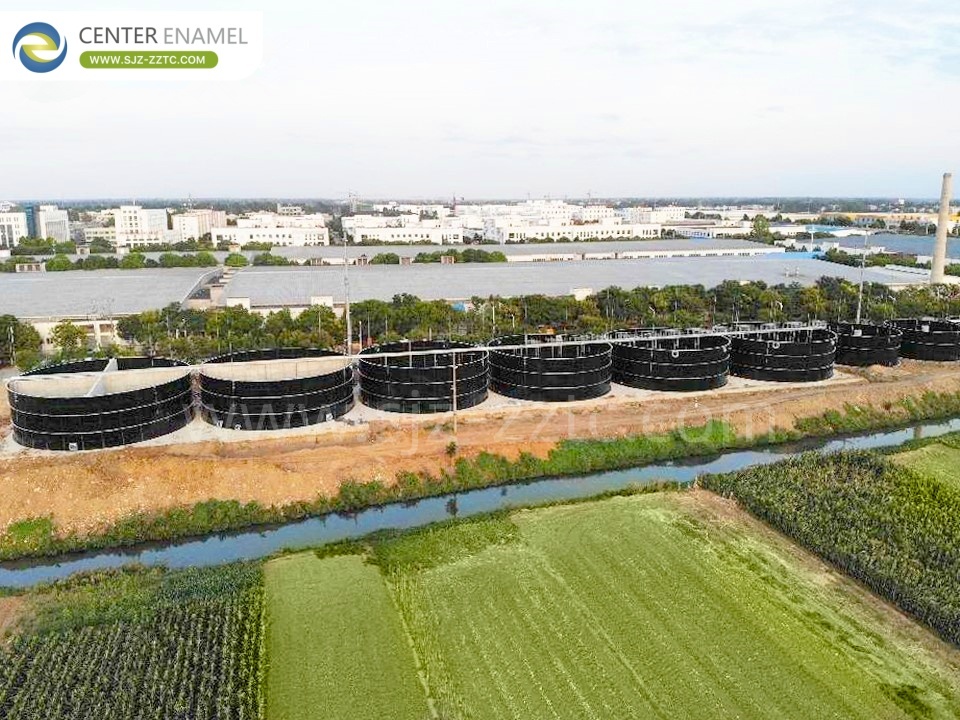
Soluções de biogás de resíduos de processamento de mandioca na RDC: Tanques de GFS líderes e processo CSTR
| Lugar de origem: | China |
| Marca: | CEC TANKS |
| Certificação: | ISO 9001:2008, AWWA D103 , OSHA , BSCI |
| Número do modelo: | C |
| Quantidade de ordem mínima: | 1 conjunto |
| Preço: | $5000~$20000 one set |
| Detalhes da embalagem: | Poliespuma PE entre cada duas placas de aço; palete de madeira e madeira |
| Tempo de entrega: | 10-30 dias após o depósito recebido |
| Termos de pagamento: | L/C,T/T |
| Habilidade da fonte: | 60 conjuntos por mês |
|
Informações detalhadas |
|||
| Lugar de origem | China | Marca | CEC TANKS |
|---|---|---|---|
| Certificação | ISO 9001:2008, AWWA D103 , OSHA , BSCI | Número do modelo | C |
| Cor do corpo do tanque: | Verde escuro/pode ser personalizado | Integridade à Corrosão: | Excelente |
| Espessura das placas de aço: | 3mm a 12mm, depende da estrutura do tanque | Resistência Química: | Excelente |
| Tamanho do painel: | 2,4 milhões * 1,2 milhões | Fácil de limpar: | Suave, brilhante, inerte, anti-adesão |
| Destacar: | Soluções de tratamento de resíduos de biogás de mandioca,Reservatórios GFS para projetos de águas residuais,Biogás de processo CSTR RDC |
||
Descrição do produto
À medida que a República Democrática do Congo (RDC) acelera os seus esforços no sentido da modernização agrícola e da independência energética sustentável, a gestão eficaz dos resíduos orgânicos industriais emergiu como uma oportunidade estratégica fundamental. Este artigo examina como os tanques de vidro fundido em aço (GFS) líderes do setor da Center Enamel e a avançada tecnologia de reator de tanque agitado contínuo (CSTR) fornecem uma solução abrangente e pronta para uso para converter os abundantes resíduos de processamento de mandioca do país em energia de biogás limpa e renovável, servindo como um parceiro confiável para o desenvolvimento de infraestrutura industrial.
A República Democrática do Congo possui um vasto potencial agrícola, sendo a mandioca uma cultura fundamental que apoia tanto a segurança alimentar local como a expansão dos sectores industriais de processamento de amido. À medida que as instalações de processamento continuam a aumentar a produção para satisfazer a procura nacional e regional, geram volumes significativos de subprodutos orgânicos, incluindo águas residuais ricas em nutrientes e pasta fibrosa. Historicamente, esses resíduos têm apresentado desafios de gestão ambiental. No entanto, ao aproveitar a digestão anaeróbica moderna, estes materiais estão agora a ser reaproveitados com sucesso. Esta mudança não só mitiga potenciais riscos ambientais, mas também capacita as empresas agrícolas congolesas a transformar os seus fluxos de resíduos numa fonte consistente e sustentável de energia renovável para as suas fábricas.
A conversão dos resíduos do processamento da mandioca em biogás cria um poderoso modelo de economia circular para as indústrias congolesas. Ao utilizar a digestão anaeróbica para tratar águas residuais de alta resistência, as instalações podem reduzir significativamente a demanda química de oxigênio (DQO), garantindo a conformidade com os padrões ambientais e evitando a degradação do solo e da água. Mais importante ainda, este processo captura metano valioso, que serve como um combustível económico e de alta energia para a produção de eletricidade no local ou processos térmicos. Esta transição transforma efectivamente um passivo de gestão de resíduos num activo previsível de receitas e energia, fortalecendo a viabilidade operacional e a estabilidade financeira a longo prazo das unidades industriais de processamento de mandioca em toda a RDC.
O Center Enamel dedica-se a apoiar a transição da RDC para a energia sustentável através de um projeto de infraestrutura de biogás personalizado e de alto desempenho. Reconhecemos que cada projeto requer uma abordagem única baseada nas características locais da matéria-prima e nas metas operacionais específicas do local. Nossa equipe fornece serviços de projeto completos, começando com uma análise detalhada da matéria-prima e dimensionamento preciso do reator para corresponder ao rendimento individual da planta. Ao integrar engenharia estrutural superior com profundo conhecimento bioquímico, garantimos que cada instalação seja construída especificamente para maximizar o rendimento de gás, minimizar os requisitos de manutenção e fornecer uma solução robusta e de longo prazo, adaptada ao cenário climático e industrial específico do Congo.
O processo CSTR serve como base técnica de nossas soluções de biogás. Projetado para gerenciar resíduos orgânicos com alto teor de sólidos – uma característica comum do efluente do processamento de mandioca – o processo CSTR garante que todas as matérias-primas e microrganismos anaeróbios permaneçam completa e uniformemente misturados em um ambiente fechado e controlado. Nossos reatores utilizam dispositivos de agitação mecânica avançados que mantêm a uniformidade ideal, evitando o assentamento de lodo e zonas mortas. Essa mistura consistente garante degradação de alta eficiência da matéria orgânica e produção estável de metano, mesmo quando a instalação opera sob ciclos de alimentação contínuos ou semicontínuos.
Nossa infraestrutura de armazenamento foi projetada para máxima longevidade e eficiência operacional. Utilizamos nossos tanques exclusivos de vidro fundido com aço (GFS), que combinam a resistência estrutural do aço de alta resistência com a incomparável resistência à corrosão inerte de um revestimento de vidro fundido. Esses tanques passam por queima em alta temperatura, criando uma ligação excelente em ambientes agressivos, ácidos e com alto teor de sulfeto, típicos da fermentação de biogás. Quando integrada aos nossos sistemas de telhado de membrana dupla de alto desempenho, a infraestrutura fornece uma solução perfeitamente hermética e resistente ao clima que otimiza o armazenamento de biogás, minimiza os prazos de construção e protege a integridade estrutural de todo o sistema.
- Telhado de cúpula geodésica de alumínio:Muito procurado por sua excepcional resistência à corrosão atmosférica e capacidade de cobrir vãos amplos e livres sem suportes internos.
- Telhado de vidro fundido com aço:Fornece máxima estanqueidade, tornando-o a escolha ideal para estruturas pressurizadas de biogás que exigem controle rigoroso de odores e vazamentos de gás.
- Telhado de convés de calha de liga de alumínio:Uma solução econômica e durável para necessidades gerais de armazenamento, projetada para evitar a interferência da chuva e do vento.
- Telhado de aço inoxidável:Uma solução premium e de alta longevidade construída especificamente para suportar as condições ambientais mais exigentes e agressivas.
- Telhado de PRFV:Uma opção versátil, durável e leve, adequada para diversas aplicações não pressurizadas, como água agrícola ou armazenamento de água para incêndio.
- Porta-gás e membranas:Projetado para o armazenamento seguro e confiável do biogás gerado.
- Separadores Sólido-Líquido:Crucial para o pré-tratamento de resíduos de mandioca crua para melhorar a alimentação do reator e o desempenho geral do sistema.
- Bombas de elevação e máquinas de desidratação de lamas de parafuso:Projetado para o manuseio eficiente, transporte e redução de volume de digerido.
- Tanques de Desidratação e Dessulfurização:Unidades vitais para purificar o biogás bruto para garantir que ele atenda aos rígidos padrões de qualidade industrial.
- Sistemas de tocha:Necessário para a queima segura e gerenciada e o controle de pressão do excesso de gás.
- Engenharia Personalizada:Fornecemos projetos de infraestrutura em grande escala e específicos para cada local, que levam em conta as condições operacionais e ambientais únicas da RDC.
- Entrega chave na mão:Gerenciamos a cadeia de suprimentos de ponta a ponta, desde a fabricação especializada de tanques GFS até a instalação especializada de todos os equipamentos auxiliares complexos.
- Excelência Técnica:A nossa equipa oferece um apoio incomparável na implementação do processo CSTR, ajudando as instalações congolesas a alcançar a produção máxima de energia. Ao unificar as etapas de aquisição e design, permitimos que as empresas locais lancem projetos de biogás de alto desempenho com maior velocidade, segurança e retorno de investimento.
A mudança para as energias renováveis é essencial para a evolução industrial da República Democrática do Congo. Ao aproveitar os robustos tanques GFS da Center Enamel e o processo CSTR altamente eficiente, as plantas de processamento agrícola podem mitigar efetivamente os desafios de eliminação de resíduos, ao mesmo tempo que liberam energia limpa e sustentável. Continuamos totalmente comprometidos em capacitar a RDC com tecnologia de biogás confiável e de alto desempenho, garantindo que suas instalações operem com máxima eficiência e confiabilidade para um futuro energético mais limpo e próspero.
-
Qual é o desempenho dos tanques GFS no clima tropical do Congo?A ligação inerte entre vidro e aço é altamente resistente ao calor, alta umidade e radiação UV, garantindo que a estrutura do tanque permaneça intacta sem a degradação ou ferrugem associada aos tanques metálicos convencionais.
-
A tecnologia CSTR é capaz de lidar com variações sazonais na produção de mandioca?Sim, o processo CSTR foi concebido para proporcionar flexibilidade operacional; seu sistema de agitação mecânica pode ser ajustado para manter um desempenho de fermentação uniforme, mesmo que a concentração de resíduos de mandioca na entrada mude sazonalmente.
-
Qual nível de manutenção os sistemas de biogás da Center Enamel exigem?Nossos tanques GFS são praticamente isentos de manutenção devido ao seu revestimento de vidro, e o equipamento auxiliar é projetado para durabilidade industrial, garantindo facilidade operacional a longo prazo para as equipes técnicas locais.