-
Vidro fundido em tanques de aço (596)
-
tanques de aço inoxidável (434)
-
A fusão ligou os tanques da cola Epoxy (592)
-
Tanques de aço galvanizado (321)
-
Telhados de alumínio da abóbada (1316)
-
Tanques de armazenamento de águas residuais (231)
-
Tanques de aço soldados (457)
-
Embarcações de pressão (295)
-
Digestor anaeróbico (201)
-
Tanques de água industriais (349)
-
Tanques de aço revestidos de vidro (180)
-
Tanques de aço aparafusados (390)
-
Tanque de armazenamento da lama (115)
-
Tanque de armazenamento do biogás (173)
-
Tanques de armazenamento de lixiviação (133)
-
Tanques de armazenamento de água agrícola (179)
-
Tanque de água de incêndio (166)
-
Silos de armazenamento de grãos (146)
-
Projetos de biogás (425)
-
Projetos do tratamento de águas residuais (788)
-
Telhado de membrana dupla (223)

|
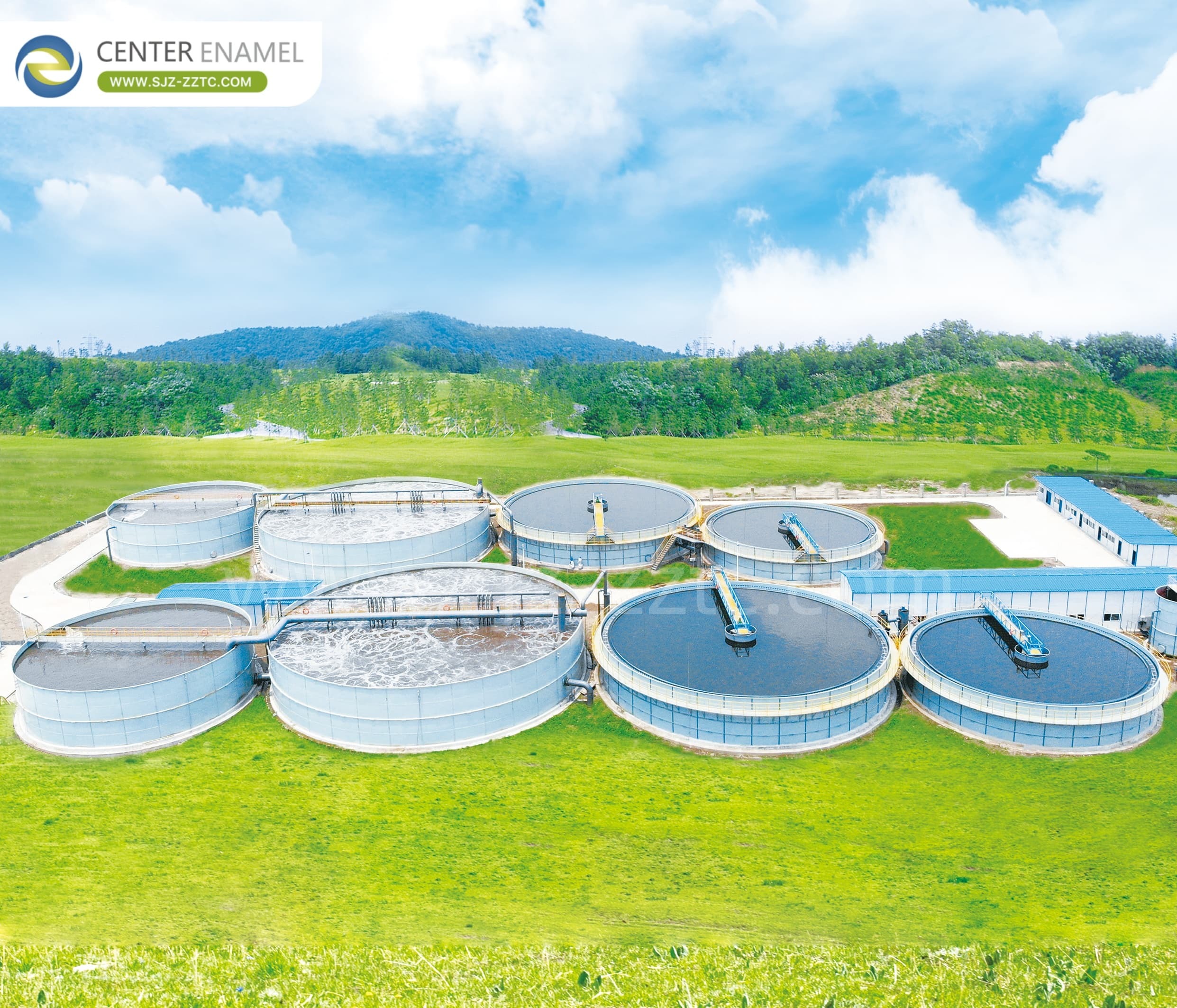
Tecnologias Anaeróbicas Avançadas e Processo IC para Projetos de Biogás de Resíduos Alimentares em Mianmar
| Lugar de origem: | China |
| Marca: | CEC TANKS |
| Certificação: | ISO 9001:2008, AWWA D103 , OSHA , BSCI |
| Número do modelo: | C |
| Quantidade de ordem mínima: | 1 CONJUNTO |
| Preço: | $5000~$20000 one set |
| Detalhes da embalagem: | Poliespuma PE entre cada duas placas de aço; palete de madeira e madeira |
| Tempo de entrega: | 10-30 dias após o depósito recebido |
| Termos de pagamento: | L/C, T/T |
| Habilidade da fonte: | 60 conjuntos por mês |
|
Informações detalhadas |
|||
| Lugar de origem | China | Marca | CEC TANKS |
|---|---|---|---|
| Certificação | ISO 9001:2008, AWWA D103 , OSHA , BSCI | Número do modelo | C |
| Cor do corpo do tanque: | Verde escuro/pode ser personalizado | Integridade à Corrosão: | Excelente |
| Espessura das placas de aço: | 3mm a 12mm, depende da estrutura do tanque | Resistência Química: | Excelente |
| Tamanho do painel: | 2,4 milhões * 1,2 milhões | Fácil de limpar: | Suave, brilhante, inerte, anti-adesão |
| Destacar: | Digestão anaeróbica Myanmar resíduos alimentares,projetos de biogás de processo IC,tecnologia de biogás para tratamento de águas residuais |
||
Descrição do produto
Tecnologias Anaeróbicas Avançadas e Processo IC para Projetos de Biogás de Resíduos Alimentares em Mianmar
Mianmar está a passar por uma rápida transição económica, expansão urbana e um crescente setor de processamento de alimentos. Este desenvolvimento aumentou significativamente a geração de resíduos orgânicos, posicionando a gestão sustentável dos resíduos alimentares como uma prioridade máxima para as políticas ambientais e iniciativas de desenvolvimento verde do país. Para enfrentar este crescente desafio ecológico, a implementação de tecnologias avançadasTecnologias Anaeróbicasemergiu como um quadro fundamental para a conversão de resíduos orgânicos em energia renovável de alto valor. Parceria com um empreiteiro EPC especializado para construirProjetos de Biogás para Resíduos Alimentaresapresentando um otimizadoProcesso CIrepresenta o padrão atual da indústria para alcançar o crescimento verde e a independência energética em Mianmar.
Fontes e riscos ambientais do desperdício de alimentos em Mianmar
Os enormes volumes de desperdício alimentar gerados diariamente em Myanmar têm origem em vários sectores urbanos e comerciais importantes:
Hotelaria Comercial e Urbana:Grandes quantidades de resíduos orgânicos são produzidas por movimentados mercados grossistas tradicionais, hotéis, restaurantes e centros municipais em centros urbanos em expansão como Yangon e Mandalay.
Agroindústrias e Processamento:Cargas significativas de subprodutos orgânicos, materiais agrícolas residuais e resíduos de processamento fluem continuamente de unidades localizadas de fabricação de alimentos, moinhos de arroz e instalações de processamento agrícola.
Quando não são geridos, estes resíduos orgânicos representam graves ameaças à saúde pública e aos ecossistemas locais. Depositado em lixões municipais abertos ou em aterros locais mal geridos, sofre uma decomposição anaeróbica rápida e descontrolada, libertando grandes quantidades de metano ($CH_4$) – um gás com efeito de estufa altamente potente que contribui fortemente para as alterações climáticas globais. Além disso, a geração de lixiviados tóxicos e altamente concentrados permeia a camada superficial do solo circundante e ameaça reservas críticas de águas subterrâneas, ao mesmo tempo que produz odores nocivos e funciona como terreno fértil para vectores de doenças perigosos que afectam as comunidades próximas.
Como o desperdício alimentar se transforma em biogás
A conversão biológica de resíduos alimentares complexos em energia verde fiável é conseguida através da digestão anaeróbica, uma sequência biológica natural de múltiplas fases onde microrganismos especializados decompõem substâncias orgânicas num ambiente completamente desprovido de oxigénio. A via de digestão passa por quatro estágios biológicos essenciais:
Hidrólise:Polímeros orgânicos pesados e complexos – como proteínas, carboidratos e lipídios – são inicialmente dissolvidos e decompostos em monômeros simples e solúveis, como aminoácidos e ácidos graxos.
Acidogênese:Bactérias formadoras de ácido fermentam esses monômeros recém-formados, transformando-os em ácidos graxos voláteis (AGV), ácidos lácticos e álcoois.
Acetogênese:Os microrganismos acetogênicos digerem ainda mais os AGV e produtos intermediários, sintetizando-os em ácido acético, dióxido de carbono ($CO_2$) e gás hidrogênio ($H_2$).
Metanogênese:Archaea metanogênicas altamente sensíveis consomem o ácido acético e o hidrogênio acumulados para produzir biogás, que consiste principalmente em metano ($CH_4$) e dióxido de carbono ($CO_2$). Este biogás capturado pode ser utilizado diretamente para geração de eletricidade verde, aquecimento térmico industrial limpo ou refinado em biometano comprimido.
Principais tecnologias anaeróbicas: CSTR, UASB, USR e IC
A implantação do projeto ideal do biorreator é fundamental para o gerenciamento bem-sucedido da composição altamente variável e densa dos resíduos alimentares. A Center Enamel se destaca na engenharia de quatro processos anaeróbicos primários personalizados para propriedades distintas de resíduos:
CSTR (Reator de Tanque Agitado Contínuo):Adequado para matrizes de resíduos orgânicos com alto teor de sólidos, como resíduos de cozinha e lamas orgânicas densas. Seu mecanismo de agitação mecânica contínua garante uma matriz de digestão perfeitamente homogênea, evitando a formação de espuma superficial.
UASB (manta de lodo anaeróbico de fluxo ascendente):Um processo de alta taxa ideal para águas residuais em fase líquida com carga orgânica moderada. O efluente flui para cima através de uma densa manta de lodo granular, capturando a remoção de alta demanda química de oxigênio (DQO) em uma pegada minimizada.
USR (Reator de Sólidos de Fluxo Ascendente):Projetado especificamente para processar fluxos de resíduos contendo concentrações elevadas de sólidos suspensos (SS). Ao estender o tempo de retenção de partículas orgânicas sólidas dentro do reator, garante a decomposição biológica total e melhora o rendimento geral do biogás.
Reator IC (circulação interna):OProcesso CIrepresenta um biorreator avançado de próxima geração e de taxa ultra-alta, com um circuito de circulação interna de dois estágios, impulsionado automaticamente pela flutuabilidade de biogás autogerada. Capaz de lidar com taxas extremas de carga orgânica e efluentes de processamento industrial de alta resistência, maximiza a eficiência do tratamento biológico em um espaço notavelmente pequeno.
As vantagens dos tanques GFS em projetos de biogás de resíduos alimentares em Mianmar
O sucesso operacional a longo prazo de umProjeto de Biogás para Resíduos Alimentaresdepende fortemente da confiabilidade estrutural de seus principais reatores de contenção. Center Enamel implementa seu premium Glass-Fused-to-Steel (Tanques GFS) para produzir desempenho de campo excepcional:
Corrosão Elite e Proteção Química:A digestão de resíduos alimentares produz um meio químico agressivo cheio de ácidos orgânicos voláteis e gás sulfureto de hidrogénio ($H_2S$) altamente corrosivo. A camada de vidro inerte fundida molecularmente em ambos os lados das placas de aço forma uma barreira impermeável que resiste ao ataque químico, superando o concreto convencional ou o aço carbono.
Resiliência Estrutural e Durabilidade:Para proteger contra mudanças estruturais inesperadas, o layout modular e aparafusado doTanques GFSfornece elasticidade estrutural projetada, dando aos tanques flexibilidade e resistência ao impacto muito superiores em comparação com estruturas de concreto rígidas e propensas a rachaduras.
Instalação rápida e logística simplificada no local:Fabricado inteiramente dentro de um ambiente de fábrica controlado,Tanques GFSsão enviados modularmente e montados rapidamente utilizando sistemas especializados de levantamento de cima para baixo. Isto elimina completamente os longos tempos de cura do concreto e minimiza drasticamente as necessidades de mão de obra local, garantindo um rápido comissionamento do projeto.
Perfil escalável e de alta densidade:O design vertical dos tanques de aço aparafusados maximiza o armazenamento volumétrico de fluidos em uma área de ocupação de terreno altamente minimizada, permitindo que os projetos sejam ampliados perfeitamente com unidades modulares à medida que os volumes de resíduos aumentam ao longo do tempo.
Por que fazer parceria com o Center Enamel para projetos de biogás
Selecionar a Center Enamel como seu parceiro EPC especializado e pronto para uso desbloqueia vantagens operacionais e técnicas distintas:
Integração completa de ponta a ponta:Lidamos com todo o ciclo de vida do projeto, incluindo design de processo personalizado, fabricação avançada, aquisição de sistemas, instalação rápida em campo e integração automatizada de sistemas de controle PLC.
Excelência em Engenharia Personalizada:Reconhecendo que os perfis de resíduos de alimentos orgânicos mudam drasticamente de acordo com a região, nossa equipe técnica projeta cada layout anaeróbico para corresponder perfeitamente aos substratos crus locais e aos critérios ambientais regionais.
Conjunto de tecnologia abrangente:Além de fabricar premiumTanques GFS, projetamos e integramos sistemas auxiliares essenciais, incluindo reservatórios de biogás de membrana dupla, misturadores pesados e sistemas especializados de purificação de biogás.
Histórico global:Com inúmeros projetos bem-sucedidos de transformação de resíduos em energia construídos em mais de 100 países, a Center Enamel adapta perfeitamente inovações internacionais comprovadas para cumprir as regulamentações industriais locais e condições climáticas distintas.
Estudos de caso de referência de projetos comprovados
As robustas capacidades de engenharia e a pegada global do projeto da Center Enamel são refletidas em nossas principais instalações de biogás em grande escala:
Caso 1: Projeto de Biogás na Suécia
Dimensões do tanque: φ19,11 × 19,2 m (H) — 1 unidade
Volume Total: 5.510 m³
Ano de Conclusão: 2024
Caso 2: Projeto de Biogás na Indonésia
Aplicação: Reatores Anaeróbicos para Estação de Tratamento de Águas Residuais de Óleo de Palma
Modelos de Tanques: Ø17,58 × 8,4 m; Ø16,82 × 7,2m
Número de tanques: 3 tanques GFS
Data de instalação: 2013
A construção de infraestruturas de resíduos resilientes e sustentáveis é crucial à medida que Mianmar impulsiona agressivamente a sua transição para uma economia ecológica e sem resíduos. Implantando especializadoProjetos de Biogás para Resíduos Alimentaresalimentado por avançadoTecnologias Anaeróbicascomo a taxa ultra-altaProcesso CIe prêmioTanques GFSfornece aos órgãos municipais e às indústrias alimentares comerciais um caminho definitivo e rentável para eliminar pesados passivos ambientais. Ao firmar uma parceria estratégica com a Center Enamel, as partes interessadas desbloqueiam acesso direto à engenharia de processos internacionais de alto nível, soluções anaeróbicas comprovadas em campo e sistemas de contenção altamente duráveis.
Esta abordagem abrangente satisfaz facilmente os mandatos modernos de protecção ambiental, minimiza significativamente os custos de gestão de resíduos localizados e gera um fluxo consistente de energia renovável – garantindo que os objectivos climáticos e de desenvolvimento verde a longo prazo de Mianmar sejam alcançados com notável sucesso técnico e comercial.