-
Vidro fundido em tanques de aço (596)
-
tanques de aço inoxidável (434)
-
A fusão ligou os tanques da cola Epoxy (592)
-
Tanques de aço galvanizado (321)
-
Telhados de alumínio da abóbada (1316)
-
Tanques de armazenamento de águas residuais (231)
-
Tanques de aço soldados (457)
-
Embarcações de pressão (295)
-
Digestor anaeróbico (201)
-
Tanques de água industriais (349)
-
Tanques de aço revestidos de vidro (180)
-
Tanques de aço aparafusados (390)
-
Tanque de armazenamento da lama (115)
-
Tanque de armazenamento do biogás (173)
-
Tanques de armazenamento de lixiviação (133)
-
Tanques de armazenamento de água agrícola (179)
-
Tanque de água de incêndio (166)
-
Silos de armazenamento de grãos (146)
-
Projetos de biogás (425)
-
Projetos do tratamento de águas residuais (788)
-
Telhado de membrana dupla (223)

|
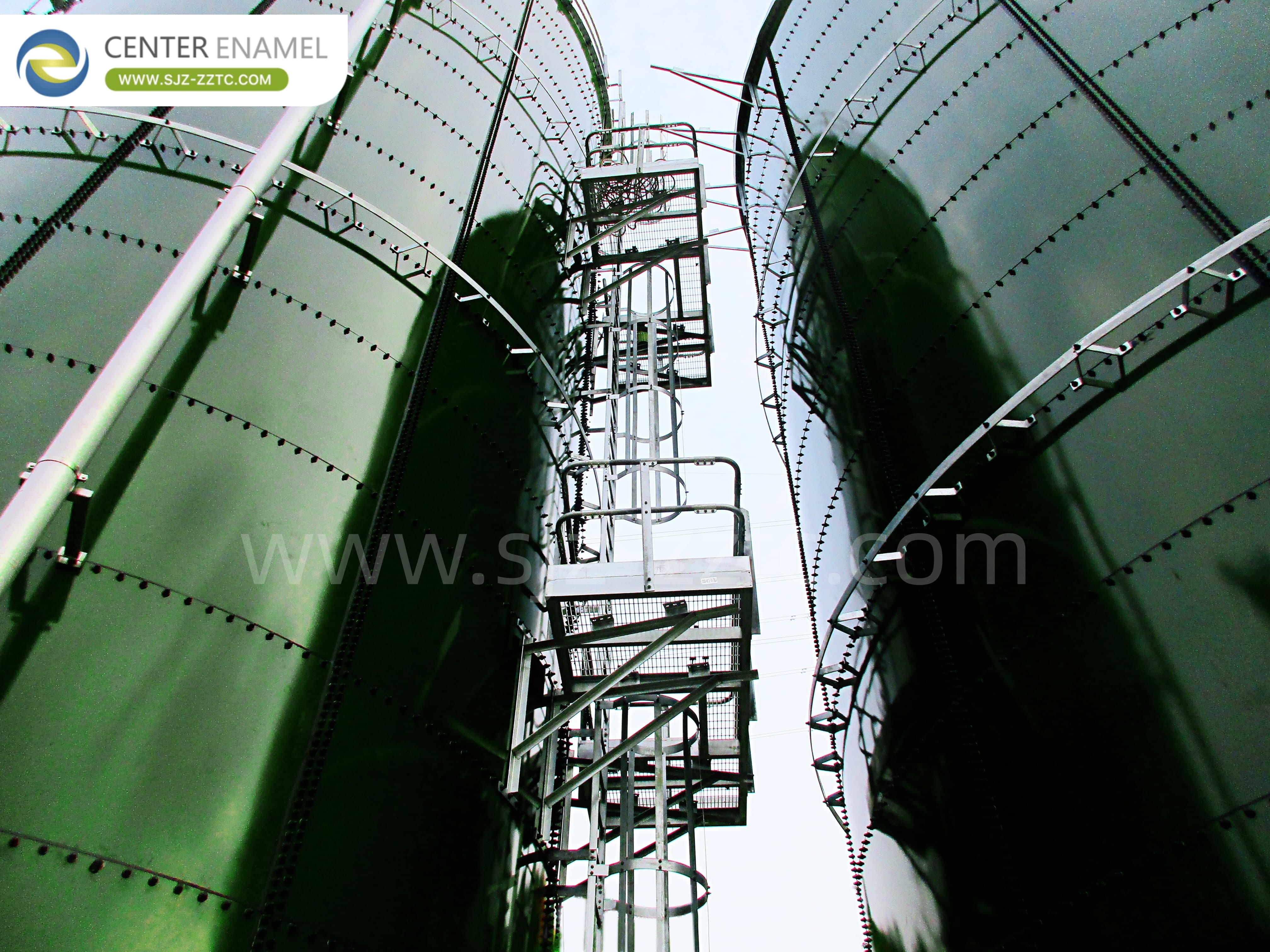
Projeto líder de soluções anaeróbicas e tanques de GFS para biogás de esterco de frango nas Filipinas
| Lugar de origem: | China |
| Marca: | CEC TANKS |
| Certificação: | ISO 9001:2008, AWWA D103 , OSHA , BSCI |
| Número do modelo: | C |
| Quantidade de ordem mínima: | 1 CONJUNTO |
| Preço: | $5000~$20000 one set |
| Detalhes da embalagem: | Poliespuma PE entre cada duas placas de aço; palete de madeira e madeira |
| Tempo de entrega: | 10-30 dias após o depósito recebido |
| Termos de pagamento: | L/C, T/T |
| Habilidade da fonte: | 60 conjuntos por mês |
|
Informações detalhadas |
|||
| Lugar de origem | China | Marca | CEC TANKS |
|---|---|---|---|
| Certificação | ISO 9001:2008, AWWA D103 , OSHA , BSCI | Número do modelo | C |
| Cor do corpo do tanque: | Verde escuro/pode ser personalizado | Integridade à Corrosão: | Excelente |
| Espessura das placas de aço: | 3mm a 12mm, depende da estrutura do tanque | Resistência Química: | Excelente |
| Tamanho do painel: | 2,4 milhões * 1,2 milhões | Fácil de limpar: | Suave, brilhante, inerte, anti-adesão |
| Destacar: | soluções anaeróbicas para esterco de galinha,projeto de biogás de tanques GFS,soluções de biogás para tratamento de águas residuais |
||
Descrição do produto
Projeto líder de soluções anaeróbicas e tanques de GFS para biogás de esterco de frango nas Filipinas
À medida que as Filipinas avançam ativamente na modernização da sua agricultura e reforçam as suas redes nacionais de produção pecuária para assegurar a auto-suficiência alimentar,A indústria aviária nacional passou por uma transição maciçaOs métodos tradicionais de criação em quintal em pequena escala estão a ser rapidamente substituídos por instalações de produção intensiva e altamente automatizada de frangos de corte e de camadas.Embora esta mudança estrutural satisfaça com êxito a crescente procura interna de produtos de aves de capoeira, gera simultaneamente um imenso volume de resíduos agrícolas de "alta resistência".A gestão eficaz destes efluentes concentrados de gado tornou-se um desafio ambiental e operacional crítico para os produtores de aves de capoeira em todo o arquipélago.
Riscos ambientais da descarga direta de estrume de frango
No clima tropical das Filipinas, caracterizado por fortes estações de monções e calor intenso,A gestão inadequada ou a descarga direta de estrume de frango não tratado representam graves riscos ambientais:
Contaminação dos recursos hídricos:A escorrência torrencial de águas pluviais de áreas abertas de armazenamento de estrume facilmente lixeira altas concentrações de nitratos, fósforo e poluentes orgânicos para bacias hidrográficas locais e redes de águas subterrâneas vitais.Isto desencadeia uma rápida eutrofização, esgotando o oxigénio dissolvido e devastando a vida aquática de água doce.
Emissões atmosféricas:A decomposição descontrolada da lixeira de aves de capoeira libera quantidades substanciais de amônia ($NH_3$) e metano ($CH_4$).O metano não capturado tem um impacto significativo na qualidade do ar regional e complica os esforços nacionais de mitigação do clima.
Biossegurança e tensão comunitária:As operações de avicultura intensiva localizadas perto de zonas residenciais em expansão muitas vezes enfrentam repressão da comunidade devido a perfis de odor intensos e reprodução de pragas.Resíduos aviários não tratados servem de reservatório biológico para agentes patogénicos perigosos, comprometendo a estrita biossegurança agrícola.
Políticas de tratamento de águas residuais nas Filipinas
Para enfrentar estes riscos ecológicos crescentes, o Governo das Filipinas, através do Departamento de Meio Ambiente e Recursos Naturais (DENR) e do Escritório de Gestão Ambiental (EMB),O Governo filipino reforçou os padrões de descarga de efluentes para as empresas agrícolas nos termos da Lei de Água Limpa das Filipinas (Lei da República n.oA regulamentação em matéria de protecção do ambiente exige que as explorações de gado comercial adotem sistemas normalizados de estabilização dos resíduos e de controlo da poluição.As iniciativas nacionais de energia renovável incentivam ativamente a integração das tecnologias de transformação de resíduos em energia, transformando a conformidade de um encargo regulamentar num motor económico sustentável.
De resíduos para energia: o processo de biogás de esterco de frango
A conversão de esterco de frango de elevada solidez em bioenergia valiosa depende de um processo de digestão anaeróbica altamente estruturado e em várias fases:
Pré- Tratamento e recolha:O estrume de frango e a água de lavagem da exploração são sistematicamente recolhidos e transferidos para um reservatório de homogeneização onde são ajustadas as concentrações máximas de sólidos totais (TS).
Digestão anaeróbica:A lama preparada é introduzida num reator anaeróbico fechado onde comunidades microbianas especializadas decompõem polímeros orgânicos complexos através de quatro fases biológicas sincronizadas: hidrólise,acidogênese, acetogénese e metanogénese.
Captação de biogás:O subproduto biológico final é o biogás bruto (composto principalmente de metano), que se acumula de forma segura na parte superior do sistema de digestão.
Maximização de recursos:O biogás colhido é dessulfurado para remover o sulfeto de hidrogénio corrosivos ($H_2S$) e canalizado para uma unidade combinada de calor e energia (CHP) para gerar eletricidade e calor no local,enquanto o digestato rico em nutrientes é recuperado como fertilizante orgânico de primeira qualidade.
Engenharia Avançada: Processos Anaeróbicos Especializados
A Center Enamel projeta e fornece uma gama de tecnologias de processo anaeróbico básicas adaptadas para acomodar diferentes perfis de águas residuais agrícolas e sólidos:
Soluções anaeróbicas e processo IC:O reator IC (Circulação Interna) representa um sistema anaeróbico altamente especializado e de alta taxa.tornando-o excepcionalmente ideal para grandes volumes, tratamento profundo das águas residuais agrícolas pré-tratadas, garantindo uma elevada remoção de DCO com uma pegada compacta.
CSTR (reator de tanque completamente agitado):É considerado o padrão ouro para resíduos de gado de alto teor de sólidos.Eliminação total da deposição de lamas ou da formação de escória.
USR (reactor de resíduos sólidos de ascensão):Projetado explicitamente para fluxos elevados de sólidos em suspensão (SS), oferecendo excelentes taxas de carga orgânica e máxima degradação de fibras orgânicas densas.
UASB (Upflow Anaerobic Sludge Blanket):Perfeitamente adaptado para efluentes líquidos, utilizando um leito de lama granular densa para alcançar uma redução da demanda química de oxigénio (COD) de alta eficiência.
Vantagens de aplicação dos tanques de GFS em projetos de biogás para frango
Para a construção de digestores anaeróbicos rurais e industriais, os tanques de vidro fundido em aço (GFS) são a escolha preferencial para a infraestrutura do reator:
Resistência à corrosão inigualável:A fusão química do vidro com as chapas de aço cria uma barreira inerte que resiste facilmente ao gás agressivo H2S e aos ácidos graxos voláteis gerados durante a digestão dos resíduos de aves de capoeira.
Construção modular rápida:Os tanques de GFS são unidos no local sem problemas, o que elimina os longos tempos de cura associados às estruturas de concreto, permitindo uma rápida implantação em áreas agrícolas remotas.
Resiliência climática:Projetado para lidar com as duras condições climáticas das Filipinas, incluindo a alta umidade contínua, fortes chuvas tropicais e tufões, sem rachaduras, descascamentos ou degradação estrutural.
Manutenção mínima e longevidade:A superfície do esmalte lisa e de ultra-baixa fricção impede o acúmulo de escamas, garantindo uma vida útil confiável superior a 30 anos com custos de manutenção excepcionalmente baixos.
Por que escolher esmalte central?
A parceria com o Center Enamel garante distintivas vantagens de engenharia e operacionais para as modernas instalações agrícolas de biogás:
Capacidades completas de EPC "chave na mão":Oferecemos pacotes de projetos abrangentes, incluindo cálculo de processos biológicos, fabricação de tanques especializados, integração de tubulações, instalação no local e comissionamento final do sistema.
Conformidade com as normas globais:Os nossos projetos de engenharia e fabricação de tanques GFS cumprem estritamente com os principais padrões internacionais, incluindo certificados AWWA D103, OSHA e ISO, garantindo a segurança estrutural.
Décadas de experiência comprovada:Com um robusto portfólio internacional que abrange implementações de projectos bem sucedidas em mais de 100 países,O Centro Enamel possui a profundidade técnica necessária para adaptar os sistemas de águas residuais e de biogás a climas regionais específicos e às variações das matérias-primas.
Histórias de sucesso globais: casos comprovados de projetos
Caso 1:Projeto de Biogás da Malásia
Dimensões do reservatório: φ22,93 × 12,325 m (H) 1 unidade
Volume total: 5.087 m3 1 unidade
Data de conclusão: 2025
Caso 2: Projeto de Biogás da Indonésia
Aplicação: Reatores anaeróbicos para estações de tratamento de águas residuais de óleo de palma
Modelos de tanques: Ø17.58 × 8.4 m, Ø16.82 × 7.2 m
Número de reservatórios: 3 reservatórios GFS
Data de instalação: 2013
Para o crescente setor de aves das Filipinas, integrating advanced chicken manure biogas solutions using the high-rate IC process and Glass-Fused-to-Steel (GFS) tanks represents a major milestone toward environmental and operational sustainability. Center Enamel’s specialized engineering expertise empowers local poultry producers to comfortably meet strict national environmental standards under the Clean Water Act while drastically reducing operational utility costsAo transformar resíduos de aves perigosos em eletricidade renovável e de alta qualidade e em fertilizantes orgânicos, as explorações agrícolas das Filipinas podem facilmente estabelecer uma economia circular rentável.Esta infra-estrutura avançada protege eficazmente os ecossistemas aquáticos intocados do país., controla o odor agrícola e aumenta a segurança alimentar a longo prazo para as próximas décadas.