-
Vidro fundido em tanques de aço (596)
-
tanques de aço inoxidável (434)
-
A fusão ligou os tanques da cola Epoxy (592)
-
Tanques de aço galvanizado (321)
-
Telhados de alumínio da abóbada (1316)
-
Tanques de armazenamento de águas residuais (231)
-
Tanques de aço soldados (457)
-
Embarcações de pressão (295)
-
Digestor anaeróbico (201)
-
Tanques de água industriais (349)
-
Tanques de aço revestidos de vidro (180)
-
Tanques de aço aparafusados (390)
-
Tanque de armazenamento da lama (115)
-
Tanque de armazenamento do biogás (173)
-
Tanques de armazenamento de lixiviação (133)
-
Tanques de armazenamento de água agrícola (179)
-
Tanque de água de incêndio (166)
-
Silos de armazenamento de grãos (146)
-
Projetos de biogás (425)
-
Projetos do tratamento de águas residuais (788)
-
Telhado de membrana dupla (223)

|
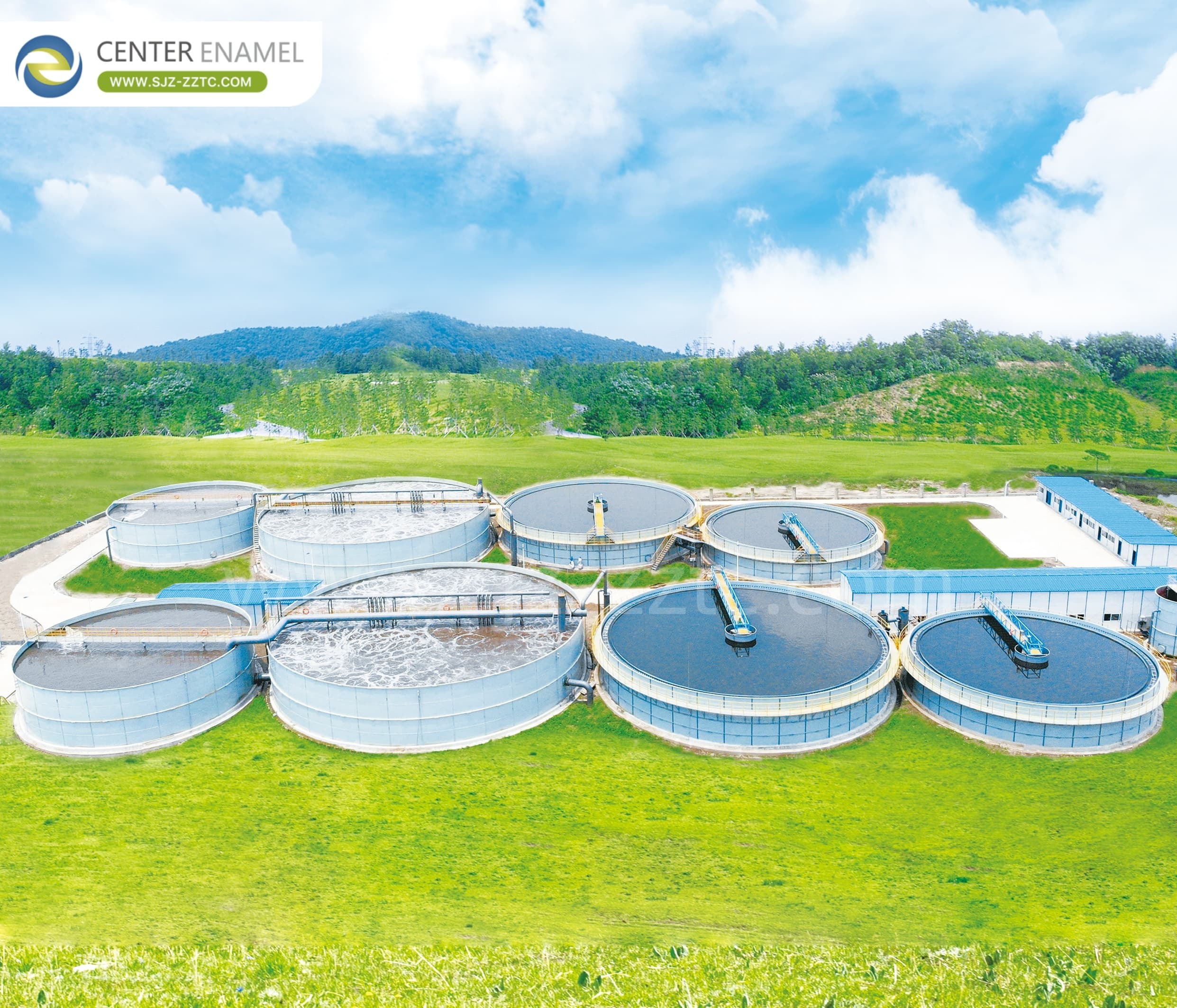
Transformação de estrume de gado: tecnologia de biogás e tanques de GFS na Coreia do Sul
| Lugar de origem: | China |
| Marca: | CEC TANKS |
| Certificação: | ISO 9001:2008, AWWA D103 , OSHA , BSCI |
| Número do modelo: | C |
| Quantidade de ordem mínima: | 1 CONJUNTO |
| Preço: | $5000~$20000 one set |
| Detalhes da embalagem: | Poliespuma PE entre cada duas placas de aço; palete de madeira e madeira |
| Tempo de entrega: | 10-30 dias após o depósito recebido |
| Termos de pagamento: | L/C, T/T |
| Habilidade da fonte: | 60 conjuntos por mês |
|
Informações detalhadas |
|||
| Lugar de origem | China | Marca | CEC TANKS |
|---|---|---|---|
| Certificação | ISO 9001:2008, AWWA D103 , OSHA , BSCI | Número do modelo | C |
| Cor do corpo do tanque: | Verde escuro/pode ser personalizado | Integridade à Corrosão: | Excelente |
| Espessura das placas de aço: | 3mm a 12mm, depende da estrutura do tanque | Resistência Química: | Excelente |
| Tamanho do painel: | 2,4 milhões * 1,2 milhões | Fácil de limpar: | Suave, brilhante, inerte, anti-adesão |
| Destacar: | Tecnologia do biogás tratamento de águas residuais,Transformação de estrume em reservatórios de GFS,Projeto de biogás da Coreia do Sul |
||
Descrição do produto
Transformação de estrume de gado: tecnologia de biogás e tanques de GFS na Coreia do Sul
À medida que a Coreia do Sul intensifica os seus esforços para alcançar a neutralidade de carbono até 2050, o sector agrícola está a passar por uma profunda transformação.em especial a produção de carne bovina e leiteira HanwooO programa de investigação e desenvolvimento é um dos pilares vitais da segurança alimentar e do património cultural do país.Com a modernização das práticas agrícolas surge o desafio crítico de gerir grandes volumes de resíduos animaisPara as explorações de gado em toda a Península Coreana, a adopção deTecnologia do biogásA combinação de processos anaeróbicos de elevada eficiência, como aUSR (Reactor de Sólidos de Aumento)com durabilidadeTanques de vidro fundido em aço (GFS), os operadores agrícolas estão a transformar estrume de gado perigoso numa fonte de energia limpa e renovável.
O Paisagem do Sector Bovine da Coreia do Sul e os Desafios dos Resíduos
A indústria pecuária da Coreia do Sul caracteriza-se por operações agrícolas de alta densidade concebidas para satisfazer a crescente procura de carne de bovino doméstica de primeira qualidade.Estas operações geram uma quantidade significativa de resíduos orgânicos de "alta resistência"O estrume bovino é notoriamente difícil de tratar devido à sua elevada concentração de sólidos em suspensão e fibras orgânicas complexas.
A descarga directa ou a eliminação inadequada destes resíduos no terreno montanhoso e sensível à água da Coreia do Sul conduz a graves riscos ambientais:
Contaminação da água: Lixiviação de nitratos e patógenos nas águas subterrâneas locais e nas bacias hidrográficas vitais.
Poluição atmosférica: A liberação de metano potente ($CH_4$) e amônia, contribuindo significativamente para a pegada de gases com efeito de estufa do sector agrícola.
O cheiro e a saúde pública: As explorações agrícolas intensivas próximas a zonas residenciais enfrentam uma pressão crescente para eliminar odores e mitigar os riscos de biossegurança.
Políticas estritas da Coreia do Sul em matéria de águas residuais
Para resolver esses problemas, o governo coreano impôs regulamentos rigorosos sob a "Lei de Esterco de gado." Estas políticas exigem tratamento padronizado e incentivam a conversão de resíduos de gado em recursosCom a recente expansão do apoio do governo às instalações de "resíduos para energia",As explorações de gado estão a ser incentivadas a adoptar sistemas de digestão anaeróbica para cumprir os padrões ambientais e contribuir para o abastecimento nacional de energia renovável.
Do estrume ao metano: o processo de produção de biogás
A conversão de estrume de gado em biogás é um processo biológico controlado que extrai o máximo de valor dos subprodutos agrícolas:
Coleção: O estrume e os efluentes são recolhidos num reservatório centralizado.
Digestão anaeróbica: A lama é introduzida numReator anaeróbicoEm um ambiente sem oxigénio, as bactérias decompõem a matéria orgânica através de quatro estágios: hidrólise, acidogênese, acetogênese e metanogênese.
Geração de metano: O processo captaBiogás(principalmente metano), que é armazenado no sistema.
Recuperação de recursos: O biogás purificado gera eletricidade ou calor através de um sistema combinado de calor e energia (CHP), enquanto o digestado restante é utilizado como fertilizante orgânico de alta qualidade.
Engenharia Avançada: Processos Anaeróbicos Especializados
O Centro Enamel fornece um conjunto de tecnologias anaeróbias concebidas para lidar com as características específicas das águas residuais do gado:
USR (Reactor de Sólidos de Aumento): Especificamente concebido para resíduos com elevado teor de sólidos em suspensão (SS)..
CSTR (reator de tanque completamente agitado): Utiliza agitação mecânica para manter a lama em suspensão, garantindo assim uma digestão uniforme e uma produção estável de biogás.
UASB (Upflow Anaerobic Sludge Blanket): Melhor para efluentes mais líquidos, utilizando um cobertor de lama granular para tratamento rápido e remoção de COD de alta eficiência.
Reator IC (circulação interna): Um reator de alta velocidade que utiliza um elevador de gás interno para circular a água, perfeito para o processamento industrial de laticínios em larga escala.
A vantagem do tanque GFS: o recipiente digestor ideal
Para os projetos de biogás na Coreia do Sul,Tanques de vidro fundido em aço (GFS)são a escolha preferencial para a infra-estrutura dos reatores:
Resistência superior à corrosãoO revestimento de vidro protege o aço dos efeitos corrosivos do H2S e dos ácidos orgânicos gerados durante a digestão.
Implantação rápida: A construção modular e com parafusos reduz significativamente os prazos de construção em comparação com os tanques de concreto tradicionais.
Resiliência ao clima: Resistem às temperaturas extremas sazonais e à elevada umidade da Coreia do Sul sem degradação.
Baixa manutenção: A superfície lisa evita a acumulação de escamas e garante uma vida útil superior a 30 anos.
Por que escolher esmalte central?
EscolherEsmalte centralCom décadas de experiência e projetos em mais de 100 países, o Center Enamel oferecesoluções EPC "chave na mão"O nosso compromisso com a qualidade garante que a sua planta de biogás seja eficiente.,Compatível com os padrões ambientais coreanos, e construído para durar.
Histórias de sucesso globais: casos comprovados de projetos
Caso 1: Projeto de Biogás de Singapura
Fase do processo: CSTR
Dimensões do reservatório:
φ18.34 × 8.4 m (H) 1 Unidade
φ8,41 × 9,0 m (H) 1 Unidade
φ11,46 × 7,2 m (H) 1 Unidade
Volume total: 3.458 m3
Ano de conclusão: 2021
Caso 2: Projeto de Biogás da Suécia
Dimensões do reservatório: φ19.11 × 19.2 m (H)
Volume total: 5.510 m3
Ano de conclusão: 2024
Para a indústria bovina da Coreia do Sul, a integraçãoTecnologia do biogáscom oProcesso USReReservatórios GFSA experiência de engenharia abrangente da Center Enamel permite aos proprietários de explorações agrícolas cumprir regulamentos ambientais rigorosos, reduzindo simultaneamente os custos de energia.Ao converter estrume de gado em energia renovável, as fazendas coreanas podem alcançar uma "economia circular" sustentável que proteja o meio ambiente natural do país, ao mesmo tempo em que aumenta a rentabilidade operacional a longo prazo para as próximas décadas.