-
Vidro fundido em tanques de aço (596)
-
tanques de aço inoxidável (434)
-
A fusão ligou os tanques da cola Epoxy (592)
-
Tanques de aço galvanizado (321)
-
Telhados de alumínio da abóbada (1316)
-
Tanques de armazenamento de águas residuais (231)
-
Tanques de aço soldados (457)
-
Embarcações de pressão (295)
-
Digestor anaeróbico (201)
-
Tanques de água industriais (349)
-
Tanques de aço revestidos de vidro (180)
-
Tanques de aço aparafusados (390)
-
Tanque de armazenamento da lama (115)
-
Tanque de armazenamento do biogás (173)
-
Tanques de armazenamento de lixiviação (133)
-
Tanques de armazenamento de água agrícola (179)
-
Tanque de água de incêndio (166)
-
Silos de armazenamento de grãos (146)
-
Projetos de biogás (425)
-
Projetos do tratamento de águas residuais (788)
-
Telhado de membrana dupla (223)

|
Processo USR e soluções anaeróbicas eficientes para projetos de tratamento de águas residuais farmacêuticas Myanmar
| Lugar de origem: | China |
| Marca: | CEC TANKS |
| Certificação: | ISO 9001:2008, AWWA D103 , OSHA , BSCI |
| Número do modelo: | C |
| Quantidade de ordem mínima: | 1 CONJUNTO |
| Preço: | $5000~$20000 one set |
| Detalhes da embalagem: | Poliespuma PE entre cada duas placas de aço; palete de madeira e madeira |
| Tempo de entrega: | 10-30 dias após o depósito recebido |
| Termos de pagamento: | L/C, T/T |
| Habilidade da fonte: | 60 conjuntos por mês |
|
Informações detalhadas |
|||
| Lugar de origem | China | Marca | CEC TANKS |
|---|---|---|---|
| Certificação | ISO 9001:2008, AWWA D103 , OSHA , BSCI | Número do modelo | C |
| Cor do corpo do tanque: | Verde escuro / pode ser personalizado | Integridade da corrosão: | Excelente |
| Espessura das placas de aço: | 3mm a 12 mm, depende da estrutura do tanque | Resistência Química: | Excelente |
| Tamanho do painel: | 2,4m * 1,2m | Fácil de limpar: | Suave, brilhante, inerte, anti-adesão |
| Destacar: | USR tratamento de águas residuais farmacêuticas,Soluções anaeróbias de tratamento de águas residuais farmacêuticas,Projetos de tratamento de águas residuais Myanmar |
||
Descrição do produto
Processo USR Eficiente e Soluções Anaeróbias para Projetos de Tratamento de Efluentes Farmacêuticos Myanmar
O setor farmacêutico em Myanmar está atualmente entrando em uma fase de modernização e expansão. À medida que o país trabalha para aumentar sua autossuficiência em saúde, a fabricação local de medicamentos essenciais e formulações genéricas está se tornando uma prioridade nacional. No entanto, esse crescimento exige um forte compromisso com a sustentabilidade ambiental. Como uma das principais contratadas EPC, Center Enamel oferece Soluções Anaeróbias avançadas, especificamente o processo USR (Upflow Solids Reactor), para ajudar os fabricantes farmacêuticos de Myanmar a gerenciar efluentes industriais complexos e alcançar excelência operacional a longo prazo.
Panorama Farmacêutico e Política Ambiental de Myanmar
A indústria farmacêutica de Myanmar é caracterizada por uma mistura de fábricas estatais e um número crescente de empresas privadas. Essas instalações produzem uma variedade de produtos, desde comprimidos e cápsulas essenciais até medicamentos fitoterápicos tradicionais. Para proteger seus ecossistemas naturais e a saúde pública, Myanmar está fortalecendo progressivamente seu quadro ambiental.
O Ministério de Recursos Naturais e Conservação Ambiental (MONREC) estabelece os padrões para o descarte de efluentes industriais. Para as plantas farmacêuticas, o cumprimento dessas regulamentações ambientais é crucial para manter as licenças operacionais e garantir a segurança dos corpos d'água locais. Investir em Projetos de Tratamento de Efluentes Farmacêuticos especializados é uma necessidade estratégica para empresas em Myanmar que buscam atender à conformidade doméstica e alinhar-se aos padrões internacionais de fabricação.
O Desafio dos Efluentes de Fabricação
Os efluentes da fabricação farmacêutica são significativamente mais difíceis de tratar do que o esgoto municipal padrão. Enquanto o lixo municipal geralmente vem de fontes domésticas, como cozinhas e banheiros, os efluentes industriais são definidos por sua extrema complexidade química e física:
Alta Toxicidade: Antibióticos residuais, ingredientes farmacêuticos ativos (IFAs) e solventes químicos podem inibir a atividade biológica necessária para sistemas de tratamento tradicionais.
Carga Orgânica Extrema: Processos de síntese e fermentação frequentemente levam a níveis excepcionalmente altos de Demanda Química de Oxigênio (DQO) e Demanda Bioquímica de Oxigênio (DBO).
Alto Teor de Sólidos Suspensos: Certas linhas de produção geram efluentes com altas concentrações de sólidos, que podem obstruir reatores convencionais se não forem gerenciados com tecnologia especializada como o processo USR.
Características Flutuantes: Mudanças rápidas nos ciclos de produção levam a uma qualidade inconsistente dos efluentes, criando "cargas de choque" que podem desestabilizar plantas biológicas padrão.
Fluxo Abrangente de Tratamento de Efluentes Farmacêuticos
Para enfrentar esses desafios industriais de forma eficaz, a Center Enamel oferece um fluxo de tratamento integrado e de alto desempenho:
Pré-tratamento: Utilizando triagem física e ajuste de pH para estabilizar o efluente para as etapas biológicas subsequentes.
Núcleo Anaeróbio: A fase mais crítica, onde reatores como USR, CSTR, ou IC decompõem matéria orgânica de alta resistência e sólidos em biogás.
Polimento Aeróbio: Remoção adicional de poluentes orgânicos residuais e nutrientes através de processos avançados de oxidação e biológicos.
Filtração Avançada: Empregando tecnologias de membrana ou carvão ativado para garantir que o efluente final atenda aos padrões de descarte para liberação segura.
Tecnologias Anaeróbias Principais: USR, CSTR, IC e UASB
A Center Enamel integra uma variedade de processos anaeróbios especializados, adaptados ao perfil específico de efluentes de cada planta de fabricação:
USR (Upflow Solids Reactor): Projetado especificamente para efluentes com alto teor de sólidos suspensos (SS). Ele garante que as partículas orgânicas sejam totalmente digeridas, mantendo uma alta concentração de biomassa, tornando-o ideal para a lama complexa frequentemente encontrada na síntese farmacêutica.
CSTR (Continuous Stirred Tank Reactor): Altamente eficaz para resíduos farmacêuticos com alto teor de sólidos. A agitação mecânica garante o contato uniforme entre microrganismos e resíduos, proporcionando alta estabilidade e eficiência.
Reator IC (Internal Circulation): Um reator de alta taxa de próxima geração com um processo de dois estágios. Ele circula o lodo internamente para lidar com cargas orgânicas massivas e resistir a cargas de choque hidráulico.
UASB (Upflow Anaerobic Sludge Blanket): Uma solução clássica que passa o esgoto em fase líquida através de um denso manto de lodo anaeróbio em uma pegada compacta, adequado para instalações com espaço limitado.
A Vantagem dos Tanques de Aço Vitrificado (GFS)
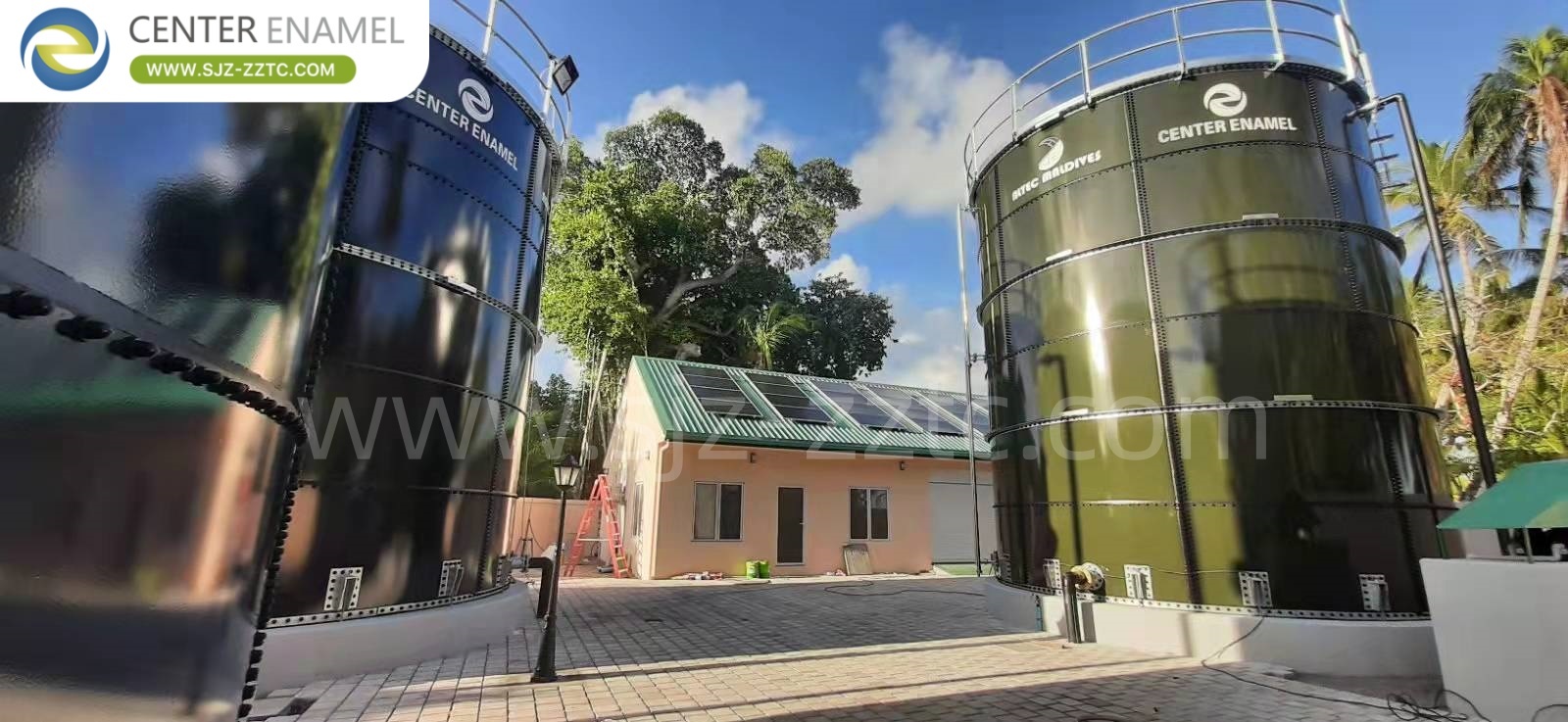
No clima tropical de Myanmar, a escolha do contenção é vital. As soluções EPC da Center Enamel utilizam tanques proprietários de Aço Vitrificado (GFS):
Resistência Superior à Corrosão: A ligação vidro-aço é impermeável aos produtos químicos agressivos e ácidos orgânicos comuns em resíduos farmacêuticos.
Instalação Modular Rápida: A construção aparafusada é significativamente mais rápida do que a concretagem tradicional, reduzindo os prazos do projeto e minimizando o tempo de inatividade da fábrica.
Durabilidade e Escalabilidade: Projetados para uma vida útil de mais de 30 anos, esses tanques são altamente resistentes à umidade e podem ser facilmente expandidos à medida que a capacidade de produção aumenta.
Por que Escolher a Center Enamel como Sua Contratada EPC?
Como uma das principais contratadas EPC globais, a Center Enamel oferece uma experiência turnkey e integrada:
Engenharia Personalizada: Sistemas projetados com precisão, adaptados à pegada química específica da instalação farmacêutica.
Experiência Internacional: Com projetos concluídos com sucesso em mais de 100 países, trazemos padrões de classe mundial e inovação técnica para o mercado de Myanmar.
Suporte Completo do Ciclo de Vida: Gerenciamos tudo, desde o projeto inicial do processo e fabricação de tanques GFS até sistemas de controle automatizados e comissionamento de longo prazo.
Histórias de Sucesso em Tratamento Farmacêutico
Caso 1: Projeto de Tratamento de Efluentes Farmacêuticos da Mongólia Interior
Processo: UASB
Dimensões do Tanque: φ13,76 × 13,2 m (A) — 1 Unidade
Volume Total do Tanque: 1.962 m³
Data de Conclusão: 2023
Caso 2: Projeto de Tratamento de Efluentes Farmacêuticos de Jiangsu
Processo: CSTR
Dimensões do Tanque:
φ10,7 × 16,8 m (A) — 2 Unidades
φ7,64 × 3,6 m (A) — 2 Unidades
φ5,35 × 3,6 m (A) — 4 Unidades
φ3,82 × 3,6 m (A) — 2 Unidades
Volume Total do Tanque: 3.748 m³
Data de Conclusão: 2021
À medida que a indústria farmacêutica de Myanmar avança em direção a padrões modernos, a necessidade de soluções especializadas de tratamento de efluentes como o processo USR é primordial. A integração de tecnologias anaeróbias de alta eficiência e tanques de Aço Vitrificado da Center Enamel fornece uma base à prova de futuro para a conformidade ambiental. Ao selecionar um parceiro EPC profissional com expertise especializada, as empresas farmacêuticas de Myanmar podem proteger os recursos hídricos locais, mantendo sua competitividade econômica e apoiando um futuro industrial mais verde.