-
Vidro fundido em tanques de aço (596)
-
tanques de aço inoxidável (434)
-
A fusão ligou os tanques da cola Epoxy (592)
-
Tanques de aço galvanizado (321)
-
Telhados de alumínio da abóbada (1316)
-
Tanques de armazenamento de águas residuais (231)
-
Tanques de aço soldados (457)
-
Embarcações de pressão (295)
-
Digestor anaeróbico (201)
-
Tanques de água industriais (349)
-
Tanques de aço revestidos de vidro (180)
-
Tanques de aço aparafusados (390)
-
Tanque de armazenamento da lama (115)
-
Tanque de armazenamento do biogás (173)
-
Tanques de armazenamento de lixiviação (133)
-
Tanques de armazenamento de água agrícola (179)
-
Tanque de água de incêndio (166)
-
Silos de armazenamento de grãos (146)
-
Projetos de biogás (425)
-
Projetos do tratamento de águas residuais (788)
-
Telhado de membrana dupla (223)

|
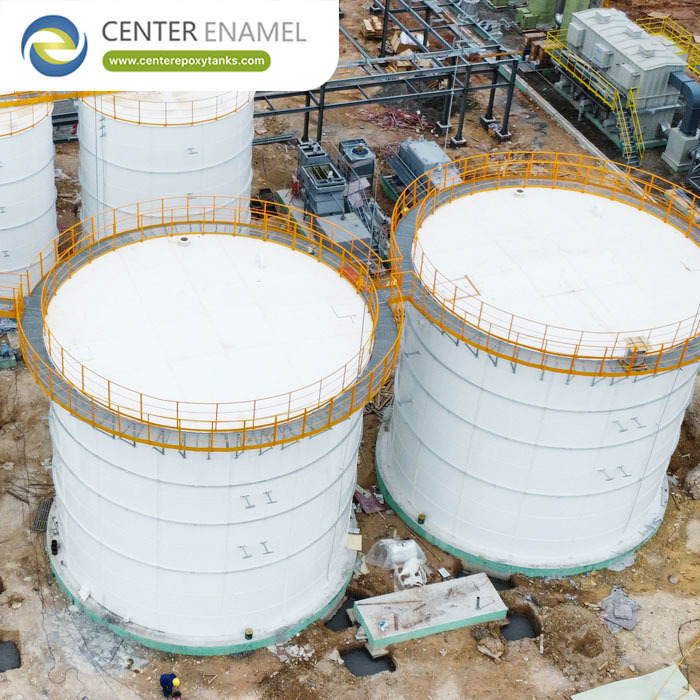
A norma de engenharia de 2026: Tanques de esgoto FBE para gestão moderna das águas residuais
| Lugar de origem: | China |
| Marca: | CEC TANKS |
| Certificação: | ISO 9001:2008, AWWA D103 , OSHA , BSCI |
| Número do modelo: | W201691123005 |
| Quantidade de ordem mínima: | 1 CONJUNTO |
| Preço: | $5000~$20000 one set |
| Detalhes da embalagem: | PE poli-espuma entre cada duas placas de aço; palete de madeira e caixa de madeira |
| Tempo de entrega: | 0-60 dias após o depósito recebido |
| Termos de pagamento: | L/C, T/T |
| Habilidade da fonte: | 60 conjuntos por mês |
|
Informações detalhadas |
|||
| Lugar de origem | China | Marca | CEC TANKS |
|---|---|---|---|
| Certificação | ISO 9001:2008, AWWA D103 , OSHA , BSCI | Número do modelo | W201691123005 |
| Espessura das placas de aço: | 3mm a 12 mm, depende da estrutura do tanque | Integridade da corrosão: | Excelente |
| Resistência Química: | Excelente | Capacidade: | 20 m3 a 18.000 m3 |
| Vida útil: | ≥30 anos | Permeabilidade: | Gás / líquido impermeável |
| Destacar: | Tanques de esgoto FBE para águas residuais,Tanques de esgoto epoxídico ligados por fusão,Tanques modernos de tratamento de águas residuais |
||
Descrição do produto
A norma de engenharia de 2026: Tanques de esgoto FBE para gestão moderna das águas residuais
No panorama das infraestruturas para 2026, a gestão das águas residuais transformou-se num ciclo de recuperação de recursos de alto risco.À medida que os mandatos ambientais globais se reforçam em torno da protecção das águas subterrâneas e da mitigação do metano, oTanque de esgoto de epoxi ligado por fusão (FBE)O sistema de armazenagem de efluentes urbanos e industriais tem vindo a ser a solução preferencial.
Combinando a resistência mecânica do aço de alta resistência com uma barreira de polímero curada em fábrica,Os tanques FBE oferecem a durabilidade do vidro fundido em aço (GFS) com um perfil de despesa de capital altamente competitivo (CAPEX).
1Autoridade Técnica: Matriz de Desempenho FBE
A tecnologia FBE é definida pela sua ligação molecular ao substrato de aço.
Especificações de engenharia dos reservatórios de esgoto FBE
| Característica técnica | Norma de Engenharia 2026 | Valor operacional estratégico |
| Tecnologia de revestimento | AkzoNobel Resicoat® FBE | Ligação molecular de alta densidade para 0% de porosidade. |
| Espessura do revestimento | 200 mamíferos ¢ 400 mamíferos | Otimizado para resistência a impactos e barreira química. |
| Resistência à corrosão | Resistente a H2S, CH4 e CO2 | Especificamente concebido para o espaço séptico das águas. |
| Tolerância ao pH | pH 3 ‡ pH 11 | Adequado para esgoto bruto, lama espessa e digestado. |
| Padrão de concepção | AWWA D103-09 / ISO 28765 | Integritade estrutural verificada para projetos de águas residuais de alta taxa. |
| Método de montagem | Construção modular de parafusos | Sem soldagem ou pintura no local; implantação 60% mais rápida. |
2Ciência avançada dos materiais: a barreira da fusão
A liderança em 2026 é definida porprecisão controlada em fábricaOs esgotos são um meio complexo e agressivo; a tecnologia FBE fornece um acabamento "duro e elástico" que os tanques tradicionais pintados em campo não podem igualar.
Preparação da superfície e cura térmica
Todas as chapas de aço são submetidas a um blasting automático de grão até umRevestimento metálico quase branco (SSPC-SP10)O aço é então pré-aquecido antes do pó epoxi ser aplicado eletrostaticamente.Prevenção da corrosão "por baixo do filme" que afeta revestimentos aplicados com líquido.
Conformidade com o princípio de CVO zero
Como um processo de pó "seco", a aplicação de FBE produzCompostos orgânicos voláteis nulosIsto alinha com2026 ESG (ambiental, social e governação)A FBE é a escolha sustentável para os projectos de infra-estruturas com certificação verde.
3Aplicações estratégicas no tratamento de águas residuais
No âmbito do2026 Iniciativa Global para a Economia Circular, os tanques FBE são a solução modular preferida para:
- Tanques de equalização:Amortização do fluxo de águas residuais brutas para assegurar uma carga estável para os processos de tratamento secundário.
- Detenção de lama e espessamento:Gerenciamento da densidade elevada de sólidos das lamas de águas residuais, quando for necessária uma superfície lisa e de baixo atrito para um movimento eficaz dos sólidos.
- Reatores de lote sequencial (SBR):O projeto de parafusos modular permite a construção rápida de várias bacias para ciclos de lotes complexos.
- Biossólidos Armazenamento:Contenção segura do digestato rico em nutrientes antes de ser reutilizado para uso agrícola.
4Eficiência económica e logística
Para projetos globais, a natureza modular e atornilhada dos tanques FBE oferece uma vantagem logística significativa:
- Transporte em contentores:Todos os componentes são embalados em alta densidade, reduzindo os custos de frete internacional em até40%.
- Escalabilidade:À medida que uma comunidade ou instalação industrial cresce, anéis adicionais podem ser adicionados ao tanque para aumentar a capacidade com tempo de inatividade mínimo.
- Realocabilidade:Ao contrário do concreto, um tanque de FBE atornilhado pode ser desmontado e realocado para atender às necessidades operacionais.
5. FAQs Técnicas
P: Como o FBE lida com o sulfeto de hidrogénio (H2S) nos tanques de esgoto?
A:O H2S é altamente corrosivo ao concreto e ao aço carbono. A matriz de polímero inerte do FBE é quimicamente resistente aos subprodutos do ácido sulfúrico criados no espaço da cabeça de esgoto,Prevenção da degradação estrutural na zona de gás. "
P: Qual é o ciclo de manutenção de um reservatório de esgoto FBE?
A:Devido ao epóxi curado na fábrica, a manutenção é mínima.3 a 5 anos, com o próprio revestimento concebido para durarMais de 25 anossem uma retração.
P: Os tanques FBE podem suportar a aeração mecânica?
A:Sim, usamosAnálise de elementos finitos (FEA)Para reforçar a ponte do reservatório e os anéis para suportar as cargas de binário dinâmico e vibração dos aeradores de superfície ou de bolhas finas.