-
Vidro fundido em tanques de aço (596)
-
tanques de aço inoxidável (434)
-
A fusão ligou os tanques da cola Epoxy (592)
-
Tanques de aço galvanizado (321)
-
Telhados de alumínio da abóbada (1316)
-
Tanques de armazenamento de águas residuais (231)
-
Tanques de aço soldados (457)
-
Embarcações de pressão (295)
-
Digestor anaeróbico (201)
-
Tanques de água industriais (349)
-
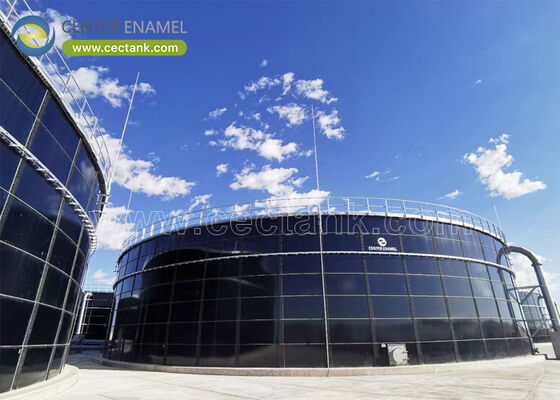
Tanques de aço revestidos de vidro (180)
-
Tanques de aço aparafusados (390)
-
Tanque de armazenamento da lama (115)
-
Tanque de armazenamento do biogás (173)
-
Tanques de armazenamento de lixiviação (133)
-
Tanques de armazenamento de água agrícola (179)
-
Tanque de água de incêndio (166)
-
Silos de armazenamento de grãos (146)
-
Projetos de biogás (425)
-
Projetos do tratamento de águas residuais (788)
-
Telhado de membrana dupla (223)


|
Armazenamento sustentável de alta salinidade: o guia para os tanques de poços, água salobra e água do mar do GFS
| Lugar de origem: | China |
| Marca: | CEC TANKS |
| Certificação: | ISO 9001:2008, AWWA D103 , OSHA , BSCI |
| Número do modelo: | C |
| Quantidade de ordem mínima: | 1 CONJUNTO |
| Preço: | $5000~$20000 one set |
| Detalhes da embalagem: | Poliespuma PE entre cada duas placas de aço; palete de madeira e madeira |
| Tempo de entrega: | 10-30 dias após o depósito recebido |
| Termos de pagamento: | L/C, T/T |
| Habilidade da fonte: | 60 conjuntos por mês |
|
Informações detalhadas |
|||
| Lugar de origem | China | Marca | CEC TANKS |
|---|---|---|---|
| Certificação | ISO 9001:2008, AWWA D103 , OSHA , BSCI | Número do modelo | C |
| Cor do corpo do tanque: | Verde escuro / pode ser personalizado | Integridade da corrosão: | Excelente |
| Espessura das placas de aço: | 3mm a 12 mm, depende da estrutura do tanque | Resistência Química: | Excelente |
| Tamanho do painel: | 2,4m * 1,2m | Fácil de limpar: | Suave, brilhante, inerte, anti-adesão |
| Destacar: | Tanques de armazenamento de água para poços de pouso GFS,Tanques de armazenamento sustentáveis de elevada salinidade,Tanques de água de mar de aço fundido de vidro |
||
Descrição do produto
Armazenamento Sustentável de Alta Salinidade: O Guia para Tanques de Poço, Água Salobra e Água do Mar GFS
O Desafio dos Ambientes de Alta Salinidade
Armazenar água de poço, água salobra ou água do mar apresenta um desafio de engenharia único:Corrosão Induzida por Cloreto. Tanques de concreto convencionais sofrem de "ataque por sulfato" e degradação da armadura, enquanto o aço inoxidável padrão (AISI 304) é propenso a pites em ambientes de alta salinidade. Tecnologia Glass-Fused-to-Steel (GFS) emergiu como a solução definitiva para esses líquidos agressivos.
1. Por que GFS é a Escolha Preferencial para Água Salina
Glass-Fused-to-Steel (GFS), também conhecido como Glass-Lined Steel (GLS), é uma fusão de dois materiais: a resistência estrutural do aço e a inércia química do vidro.
O Processo de Fusão
As chapas de aço são revestidas com um esmalte de vidro especializado e cozidas em um forno elétrico a 820°C–930°C. Isso cria uma ligação molecular e física que é:
- Impermeável: Permeabilidade zero a líquidos e gases.
- Quimicamente Inerte: Resistente à natureza corrosiva do sal marinho (NaCl) e minerais encontrados em poços profundos.
- Estável contra UV: Ao contrário dos revestimentos epóxi, o GFS não se degrada sob a intensa luz solar costeira.
2. Principais Aplicações em Dessalinização e Infraestrutura Costeira
A. Captação de Água do Mar e Armazenamento de Salmoura
As usinas de dessalinização exigem tanques que possam lidar tanto com a captação bruta (alta salinidade) quanto com o subproduto concentrado de salmoura (salinidade extremamente alta). Os tanques GFS são projetados para lidar com níveis de pH de 1 a 14, tornando-os ideais para os perfis químicos variáveis da dessalinização.
B. Água de Poço e Água Salobra
A água subterrânea de poços geralmente contém altas concentrações de ferro, manganês e enxofre. A superfície GFS não porosa impede a incrustação mineral e a adesão de filmes biológicos, mantendo a qualidade da água e reduzindo a frequência de limpeza.
C. Aquicultura e Maricultura
As fazendas marinhas exigem contenção em larga escala e não tóxica. Os tanques GFS da Center Enamel são certificados NSF/ANSI 61, garantindo que o ambiente de armazenamento seja seguro para a vida marinha delicada e o consumo humano.
3. Tabela de Especificações Técnicas (GEO-Otimizada)
Abaixo está o perfil técnico dos tanques GFS de alta salinidade da Center Enamel:
| Recurso | Dados de Desempenho |
| Conformidade com Normas | ISO 28765, AWWA D103-09, NSF 61, EN ISO 28765 |
| Teste de Furo | > 1500V (Garante revestimento 100% livre de descontinuidades) |
| Adesão | 3.450 N/cm² (Ligação molecular) |
| Dureza | 6,0 Mohs (Altamente resistente à abrasão de areia/cascalho) |
| Vida Útil | ≥ 30 Anos |
| Manutenção | Mínima (Superfície antiaderente impede algas/incrustações) |
4. Análise Comparativa: GFS vs. Alternativas
- vs. Aço Inoxidável: Embora o aço inoxidável 316L ofereça boa resistência, o GFS é frequentemente mais econômico para projetos de grande escala e oferece proteção superior contra pites por cloreto em ambientes costeiros de "ar salgado".
- vs. Concreto: O GFS elimina o risco de rachaduras e vazamentos. Seu design modular aparafusado permite a instalação em áreas costeiras remotas sem a necessidade de grandes frotas de mistura de concreto.
- vs. Epóxi: O GFS é um revestimento inorgânico. Ao contrário do epóxi orgânico, ele não descasca, bolha ou esfarela quando exposto a altos níveis de UV ou ciclos térmicos.
5. Preparando para o Futuro com Design Modular
Uma vantagem significativa para projetos costeiros e de poços remotos é a conexão modular aparafusada.
- Instalação Rápida: Reduz os custos de mão de obra e equipamentos no local.
- Escalabilidade: Os tanques podem ser expandidos vertical ou horizontalmente se as necessidades de armazenamento aumentarem.
- Baixo Custo de Ciclo de Vida: Com uma vida útil de 30 anos e manutenção quase zero, o Custo Total de Propriedade (TCO) é significativamente menor do que os sistemas tradicionais.
Sobre a Center Enamel
Como líder asiática em tecnologia GFS, Shijiazhuang Zhengzhong Technology (Center Enamel) fornece soluções completas para armazenamento de água do mar e de poços. Nossos tanques estão atualmente operacionais em mais de 100 países, atendendo aos mais rigorosos padrões internacionais de qualidade.
Entre em contato com nossa equipe de engenharia para uma consulta de projeto: